11 minutes read
CAR-T cell therapy (chimeric antigen receptor T-cell therapy) is the most important breakthrough in hematologic malignancy treatment of the past decade — for relapsed/refractory B-cell lymphoma, acute lymphoblastic leukemia, and multiple myeloma patients with otherwise limited options, CAR-T delivers complete response rates of 30–80%. China is one of the most active countries globally in CAR-T clinical translation outside the United States — with 6 NMPA-approved CAR-T products, treatment costs approximately 1/4 to 1/3 of US pricing, and clinical research from leading hospitals published in top international journals including Nature and NEJM. This article walks through China’s approved CAR-T products, leading centers, treatment workflow, pricing, and the practical pathway for international patients.
What Is CAR-T Therapy
CAR-T cell therapy is individualized cellular immunotherapy — patients’ own T cells are genetically engineered to recognize and kill cancer cells.
Basic principle:
- T cells are isolated from the patient’s blood
- In the laboratory, a “chimeric antigen receptor (CAR)” is added via genetic engineering, enabling the T cells to recognize specific antigens on cancer cells
- Cells are expanded to sufficient quantity in the lab
- Cells are infused back into the patient to target and destroy cancer cells
Main targets:
- CD19: B-cell lymphoma, acute lymphoblastic leukemia
- BCMA: multiple myeloma
- GPRC5D: multiple myeloma (newer target)
- Claudin 18.2: gastric cancer, pancreatic cancer (solid tumor research in progress)
Six NMPA-Approved CAR-T Products in China (as of 2026)
| # | Product (Brand) | Manufacturer | Target | Approval Date | Indication | Launch Price (USD) |
|---|---|---|---|---|---|---|
| 1 | Axi-cel (Yescarta, 奕凯达) | Fosun Kite | CD19 | 2021-06 | r/r large B-cell lymphoma | ~$185K |
| 2 | Relma-cel (Carteyva, 倍诺达) | JW Therapeutics | CD19 | 2021-09 | r/r LBCL, follicular lymphoma, mantle cell lymphoma | ~$198K |
| 3 | Equecabtagene autoleucel (Fucaso, 福可苏) | IASO Bio / Innovent | BCMA | 2023-06 | r/r multiple myeloma (≥3 prior lines) | ~$179K |
| 4 | Inaticabtagene autoleucel (Yuanruida, 源瑞达) | CASI Pharma | CD19 | 2023-11 | Adult r/r B-ALL (first in China) | ~$154K |
| 5 | Zevor-cel (Saikaize, 赛恺泽) | CARsgen | BCMA | 2024-03 | r/r multiple myeloma | ~$177K |
| 6 | Cilta-cel (Carvykti, 卡卫荻) | Legend Biotech / Johnson & Johnson | BCMA | 2024-08 | r/r multiple myeloma | China-specific pricing not publicly disclosed |
Sources: official announcements from Fosun Kite, JW Therapeutics, IASO Bio, CASI Pharma, CARsgen, and Legend Biotech [1][2][3][4][5][6]
In development:
- CARsgen CT041 (Claudin 18.2): gastric and esophagogastric junction adenocarcinoma — entered CDE priority review in May 2025 (first solid tumor CAR-T in China to enter formal review) [7]
- GPRC5D CAR-T: Zhejiang University 1st Affiliated Hospital, Professor Huang He’s team — for multiple myeloma
- CD7 CAR-T: Zhejiang University 1st Affiliated, Persongen, and others — for T-cell lymphoma/leukemia
Indications: Which Patients Are Suitable for CAR-T
NMPA-approved (hematologic malignancies only):
B-cell lymphoma
- Diffuse large B-cell lymphoma (DLBCL)
- Primary mediastinal large B-cell lymphoma (PMBCL)
- High-grade B-cell lymphoma (HG-BCL)
- DLBCL transformed from follicular lymphoma
- Relapsed follicular lymphoma (FL — Relma-cel approved)
- Relapsed mantle cell lymphoma (MCL, after BTK inhibitor failure — Relma-cel approved)
Acute lymphoblastic leukemia
- Adult relapsed/refractory B-ALL (Inaticabtagene autoleucel — China’s first ALL CAR-T, 2023)
Multiple myeloma
- Relapsed/refractory MM (≥3 prior lines of treatment failed) — 3 BCMA CAR-T products available
CAR-T is typically not suitable for:
- Solid tumors (CAR-T not yet NMPA-approved for solid tumors; only available in clinical trials)
- First-line treatment (CAR-T is typically used in second-line and beyond)
- Severe organ dysfunction (cardiac, pulmonary, hepatic, renal)
- Active uncontrolled infection
- Severe central nervous system involvement (contraindicated for some products)
China’s Leading CAR-T Treatment Centers
The First Affiliated Hospital, Zhejiang University School of Medicine — National Clinical Research Center for Hematologic Disorders [8]
- Professor Huang He’s team: published in Nature 2022 on non-viral specifically-targeted CAR-T therapy for B-NHL [9]; published in NEJM 2024 on sequential CD7 CAR-T therapy with allogeneic HSCT [10]
- GPRC5D CAR-T for r/r multiple myeloma: China’s first study in this area
- Multi-center r/r B-ALL trial: complete response rate 93% (14 patients)
- Has established cooperative relationships with institutions in France, Germany, Japan, Russia, Mexico, Turkey, and Ireland
Peking University People’s Hospital Hematology Department — National Clinical Research Center for Hematologic Disorders [11]
- Academician Huang Xiaojun’s team — Asia’s largest and one of the top 5 hematopoietic stem cell transplant centers globally
- Annual HSCT volume of nearly 800 cases, representing 1/4 of China’s national volume
- Receives international patients
Institute of Hematology and Blood Diseases Hospital, Chinese Academy of Medical Sciences (Tianjin)
- Developed CNCT19 (predecessor of CASI Pharma’s Inaticabtagene autoleucel)
- Operates an independent immune cell therapy center
Xuzhou Medical University Affiliated Hospital (Professor Xu Kailin’s team) [12]
- “Domestic leader” in CAR-T clinical translation in China
- Treated 400+ CAR-T cases, with overall response rate of 80.67%
- Has documented international patient cases, including a publicly reported case of a multiple myeloma patient from Pakistan [13]
Shanghai Ruijin Hospital Hematology Department
- National Translational Medicine Center (Shanghai)
- Mi Jianqing / Zhao Weili teams’ CAR-T data published
Other significant centers:
- Tongji Hospital, Huazhong University of Science and Technology (active in solid tumor CAR-T research)
- West China Hospital Hematology Department
- Fudan University Shanghai Cancer Center (lymphoma diagnosis and treatment center)
Recommendations for international patients:
- B-cell lymphoma, acute lymphoblastic leukemia → Zhejiang 1st, Peking University People’s, Xuzhou Medical
- Multiple myeloma → Zhejiang 1st, Peking University People’s, Ruijin
- Rare indications / solid tumor exploration → Zhejiang 1st, Huazhong Tongji
The Complete CAR-T Treatment Workflow and Timeline
CAR-T is a 4–6 week complete treatment process — not a single “infusion.”
Step 1 · Patient evaluation and enrollment (1–2 weeks)
- Pathology confirmation + baseline staging
- Cardiopulmonary, hepatic, renal, neurological assessment
- Review of prior treatments
- Determine eligibility for CAR-T
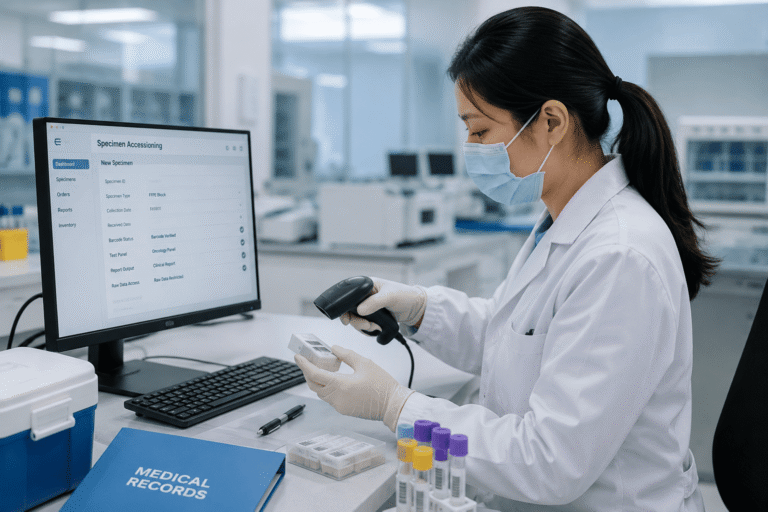
Step 2 · T-cell collection — leukapheresis (1 day)
- Single collection, 3–5 hours
- Sufficient T cells collected via blood separation machine
- Bridging chemotherapy continues after collection to maintain disease control
Step 3 · CAR-T manufacturing (10–14 days, Chinese products; 3–5 weeks for FDA-approved global products)
- T cells genetically engineered in GMP laboratory
- Expanded to sufficient quantities
- Key advantage of Chinese domestic CAR-T: manufacturing time of 10–14 days is meaningfully shorter than the US standard of 3–5 weeks
Step 4 · Bridging chemotherapy (during manufacturing, 1–3 weeks)
- Controls disease progression during the CAR-T manufacturing period
- Prevents rapid clinical deterioration while waiting
Step 5 · Lymphodepletion chemotherapy (3 days)
- Standard regimen: fludarabine + cyclophosphamide × 3 days
- Purpose: depletes existing T cells, creating space for CAR-T expansion
- Completed before infusion
Step 6 · CAR-T infusion (1 day)
- Single intravenous infusion
- Infusion typically takes 30–60 minutes
- Inpatient observation begins on infusion day
Step 7 · Side effect monitoring and management (2–4 weeks inpatient) Major adverse effects:
- Cytokine release syndrome (CRS): occurs in 60–90%, mostly mild; managed with tocilizumab + corticosteroids
- Immune effector cell-associated neurotoxicity syndrome (ICANS): occurs in 20–60%
- Cytopenias: B-cell aplasia + thrombocytopenia + neutropenia
- Infection: elevated risk due to immunosuppression, requires prophylactic anti-infectives
Step 8 · Discharge and long-term follow-up (≥2 years)
- High-frequency follow-up for the first 4 weeks post-discharge
- Frequency gradually reduces
- Long-term monitoring for recurrence, late toxicity, and B-cell function
Pricing: China vs the US vs Europe
Chinese CAR-T pricing:
| Item | Price Range (USD) |
|---|---|
| Chinese domestic CAR-T drug cost (single dose) | $154,000 – $198,000 |
| All-inclusive treatment (drug + lymphodepletion + hospitalization + CRS management + monitoring) | $160,000 – $220,000 |
| International patient IMD-channel full coordination | Add IMD service fees on top of the all-inclusive cost |
US CAR-T pricing comparison [14]:
- Yescarta drug cost: $424,000 – $537,600
- Kymriah drug cost: $600,000+
- Carvykti drug cost: $465,000+
- Including hospitalization, monitoring, and supportive care, total treatment costs typically run $700,000 – $1,000,000+
European CAR-T pricing: typically €350,000 – €500,000 (approximately $380,000 – $545,000 USD)
Core comparison:
| Dimension | China | United States |
|---|---|---|
| Drug cost | $154K – $198K | $424K – $600K |
| All-inclusive total | $160K – $220K | $700K – $1,000K+ |
| Manufacturing time | 10–14 days | 3–5 weeks |
| Comparable approved products | 6 | 6 |
Chinese CAR-T costs approximately 1/4 to 1/3 of US pricing — for self-pay patients, those with limited commercial insurance coverage, or those needing faster access, China is highly competitive both economically and in time-to-treatment.
Practical Access Pathway for International Patients
International patients best suited to come to China for CAR-T:
- Already diagnosed with a CAR-T-eligible indication (B-cell lymphoma, B-ALL, multiple myeloma) in your home country, with first or second-line treatment failure
- Home country CAR-T pricing is not affordable
- Home country CAR-T waiting times are excessive (especially BCMA CAR-T in Europe, often months of waiting)
- Home country CAR-T has failed, and you want to try a Chinese product or different target (such as GPRC5D, CD7)
Typical timeline:
| Phase | Duration | Time Required in China |
|---|---|---|
| Pre-travel evaluation and document preparation | 4–6 weeks | No (remote) |
| Arrival in China + IMD evaluation + enrollment | 1 week | Yes |
| T-cell collection | 1 day | Yes |
| CAR-T manufacturing + bridging chemotherapy | 2 weeks | Yes (partially out-of-hospital) |
| Lymphodepletion + infusion + monitoring | 3–4 weeks | Yes (inpatient) |
| Discharge + early follow-up | 1–2 weeks | Yes |
| Return home + long-term remote follow-up | ≥2 years | No (remote) |
International patients typically stay in China for a total of 6–9 weeks.
Practical notes:
- S1 visa or residence permit (≥180 days) — longer than the standard S2, should be confirmed with the Chinese consulate (visa category and stay length)
- Prepayment requirements: typically 50–70% of the all-inclusive cost is required as prepayment (approximately $80,000 – $150,000 USD)
- Insurance: some international premium medical insurance plans (MSH International Elite, Cigna Global Plus, etc.) cover CAR-T; most have a lifetime cap that requires confirmation in advance
- Clinical trials: certain investigator-initiated trials may exist at Chinese centers, but eligibility criteria are strict and international patient access varies by trial; cannot be assumed as a default pathway
Side Effects and Risks
Major risks:
- CRS (cytokine release syndrome) — occurs in 60–90%; severe CRS mortality approximately 1–5%
- ICANS (neurotoxicity) — occurs in 20–60%; mostly reversible
- Persistent B-cell aplasia — long-term immune deficiency, may require IVIG replacement therapy
- Secondary malignancies — FDA issued a black-box warning in 2023; long-term monitoring essential
Mortality reference:
- Treatment-related mortality approximately 2–5% (varies by product and center)
- 5-year overall survival 40–60% (varies by indication and disease)
Practical implication for international patients: CAR-T is a high-risk, high-benefit treatment, and must be done at a center with full CRS / ICANS management capability. China’s leading CAR-T centers have CRS management capabilities comparable to Western centers.
Common Questions
Are Chinese domestic CAR-T products as effective as US FDA-approved products? Key data has been published in international journals, including Nature and NEJM. Some NMPA-approved Chinese CAR-T products have peer-reviewed data, but outcomes vary substantially by product, indication, prior treatment line and patient status, and cannot simply be equated with FDA/EMA-approved products.
Is it safe to come to China for CAR-T? Leading Chinese CAR-T centers have CRS and ICANS management with established CRS and ICANS management workflows. The key is choosing the right center — Zhejiang 1st, Peking University People’s, Xuzhou Medical, and others have extensive CAR-T treatment experience.
Can US FDA-approved products (Yescarta, Kymriah) be administered in China? No. US FDA-approved products (Kymriah, Yescarta, Breyanzi) require US-based GMP laboratory manufacturing and cannot be used in China. The products used in China are NMPA-approved Chinese domestic products.
Can long-term follow-up be done in my home country after CAR-T treatment? Yes. Post-discharge long-term follow-up can be conducted in your home country — MedCareInChina coordinates between your home physician and the Chinese CAR-T center for remote follow-up.
What are the options if CAR-T fails?
- Different target CAR-T (e.g., trying CD22 or BCMA after CD19 failure)
- Bispecific antibodies
- Allogeneic hematopoietic stem cell transplantation
- Clinical trials (China has extensive ongoing CAR-T clinical trials)
How long after CAR-T treatment can I return home? Typically 6–8 weeks post-infusion — provided that CRS / ICANS has stabilized, blood counts have recovered, and infection risk is controlled.
Bottom Line
The core appeal of Chinese CAR-T:
- 6 NMPA-approved products — covering B-cell lymphoma, B-ALL, multiple myeloma
- Pricing $160K–$220K USD all-inclusive — approximately 1/4 to 1/3 of US costs
- Manufacturing time 10–14 days — faster than the US standard of 3–5 weeks
- Internationally published clinical data — research published in Nature, NEJM, and other top-tier journals
- Multiple leading centers receive international patients, with publicly documented overseas case examples
Best suited for international patients who:
- Have a confirmed CAR-T-eligible indication (DLBCL, B-ALL, MM, etc.) with home country first-line/second-line treatment failure
- Find home country CAR-T pricing unaffordable
- Face excessive home country CAR-T waiting times
- Want to try Chinese new targets (GPRC5D, CD7)
Total stay in China: approximately 6–9 weeks
If you or a family member has a CAR-T-eligible condition, MedCareInChina can match the best Chinese CAR-T center and product for your specific case based on your diagnosis, prior treatment, and disease stage — while coordinating visa, accommodation, insurance, and integration with your home physician.
Start with a free Pathway Scan. We will tell you whether China is worth further consideration and which type of next step may fit. The free scan does not include hospital or doctor recommendations, medical advice, individualized cost estimates, insurance determinations, or treatment planning.
See Service & Refund Policy and Medical Disclaimer for service boundaries.
Sources
- Axi-cel (Yescarta) NMPA approval — Fosun Kite, June 2021. https://www.fosunpharma.com/content/details165_7615.html
- Relma-cel (Carteyva) NMPA approval — JW Therapeutics, September 2021. https://www.jwtherapeutics.com/cn/media/press-release/jw-therapeutics-announces-nmpa-approval-of-relmacabtagene-autoleucel-injection-in-china/
- Equecabtagene autoleucel (Fucaso) NMPA approval — IASO Bio, June 2023. https://cn.iasobio.com/phone/info.php?id=276
- Inaticabtagene autoleucel (Yuanruida) NMPA approval — CASI Pharma, November 2023, China’s first r/r B-ALL CAR-T. https://www.casipharma.com.cn/mediapress/19.557.html
- Zevor-cel (Saikaize) NMPA approval — CARsgen, March 2024. https://cn.lavfund.com/blog/bcma-car-t
- Cilta-cel (Carvykti) NMPA approval — Legend Biotech / J&J, August 2024. https://www.phirda.com/artilce_36237.html
- CARsgen CT041 (Claudin 18.2) solid tumor CAR-T priority review — CDE priority review May 2025.
- Zhejiang University 1st Affiliated Hospital National Clinical Research Center for Hematologic Disorders — Huang He team. https://m.medsci.cn/article/show_article.do?id=f3ef90322f6
- Zhejiang 1st Nature paper — Huang H, et al. “Non-viral, specifically targeted CAR-T cells achieve high safety and efficacy in B-NHL.” Nature 609, 369–374 (2022). https://www.nature.com/articles/s41586-022-05140-y
- Zhejiang 1st NEJM paper — “Sequential CD7 CAR T-Cell Therapy and Allogeneic HSCT without GVHD Prophylaxis.” NEJM 2024. https://www.nejm.org/doi/full/10.1056/NEJMoa2313812
- Peking University People’s Hospital Academician Huang Xiaojun — National Clinical Research Center for Hematologic Disorders. https://www.haodf.com/doctor/5300.html
- Xuzhou Medical University CAR-T data — Treated 400+ cases with 80.67% overall response rate. https://www.jsxyfy.com/news_hos/2022/YerYP2dO.html
- Xuzhou Medical Pakistan CAR-T patient case — http://jsnews.jschina.com.cn/xz/a/202101/t20210123_2715727.shtml
- US CAR-T pricing — Yescarta $424K–$537K, Kymriah $600K+, Carvykti $465K+. Sources: https://www.drugs.com/medical-answers/cost-yescarta-3342568/ ; https://www.drugs.com/medical-answers/cost-kymriah-3331548/ ; https://www.drugs.com/price-guide/carvykti
- International patients traveling to China for CAR-T treatment — Reporting by MedBridge and other international medical agencies. https://www.medbridgenz.com/post/car-t-therapy-china-international-patients